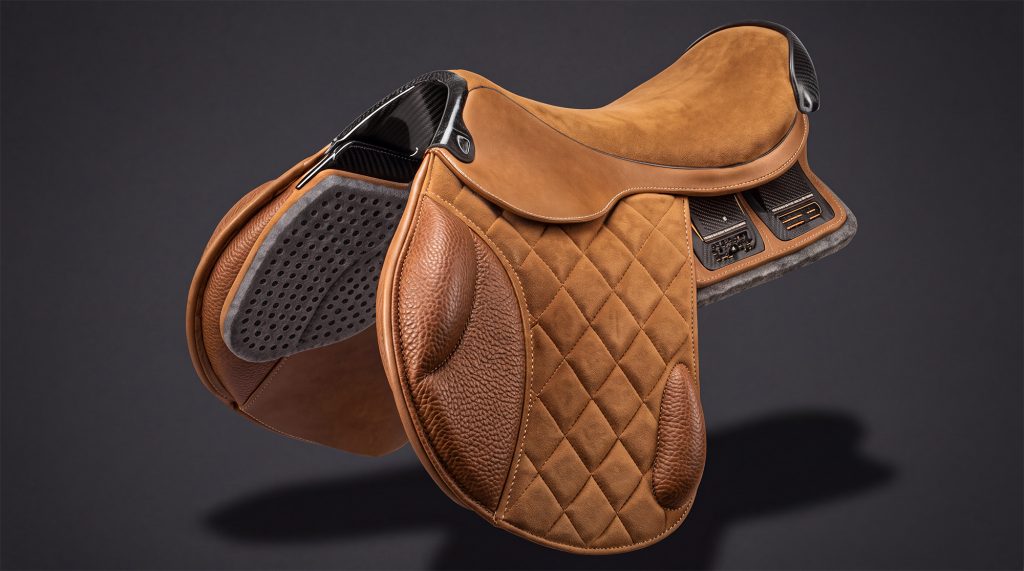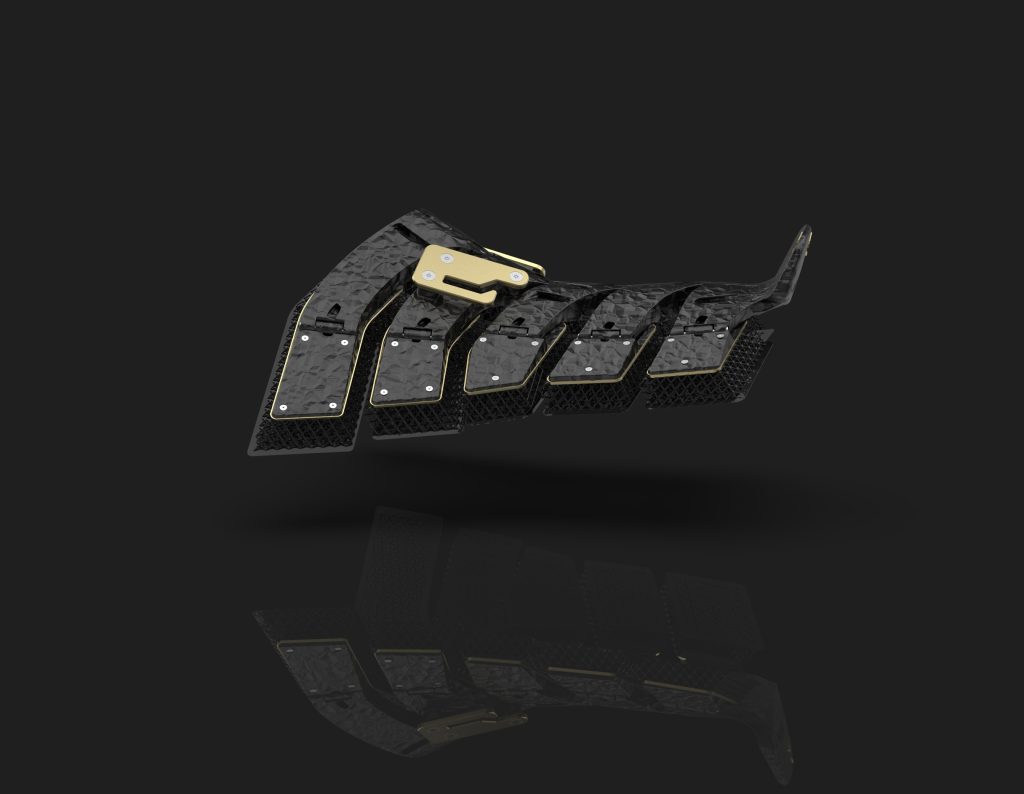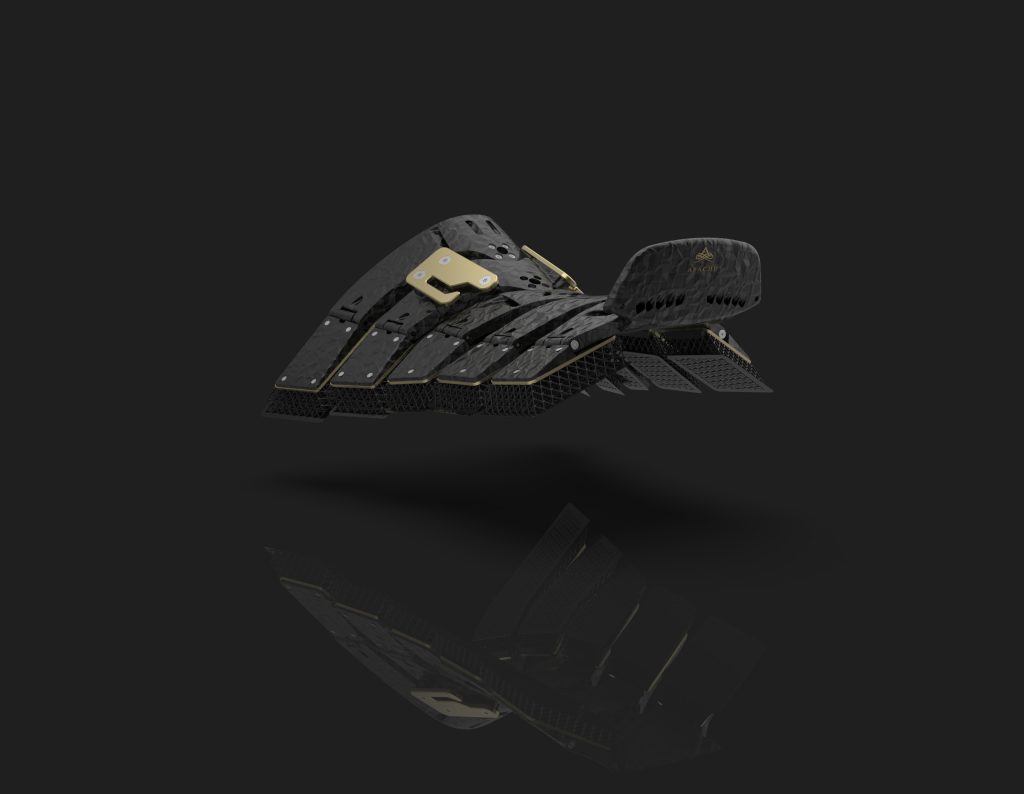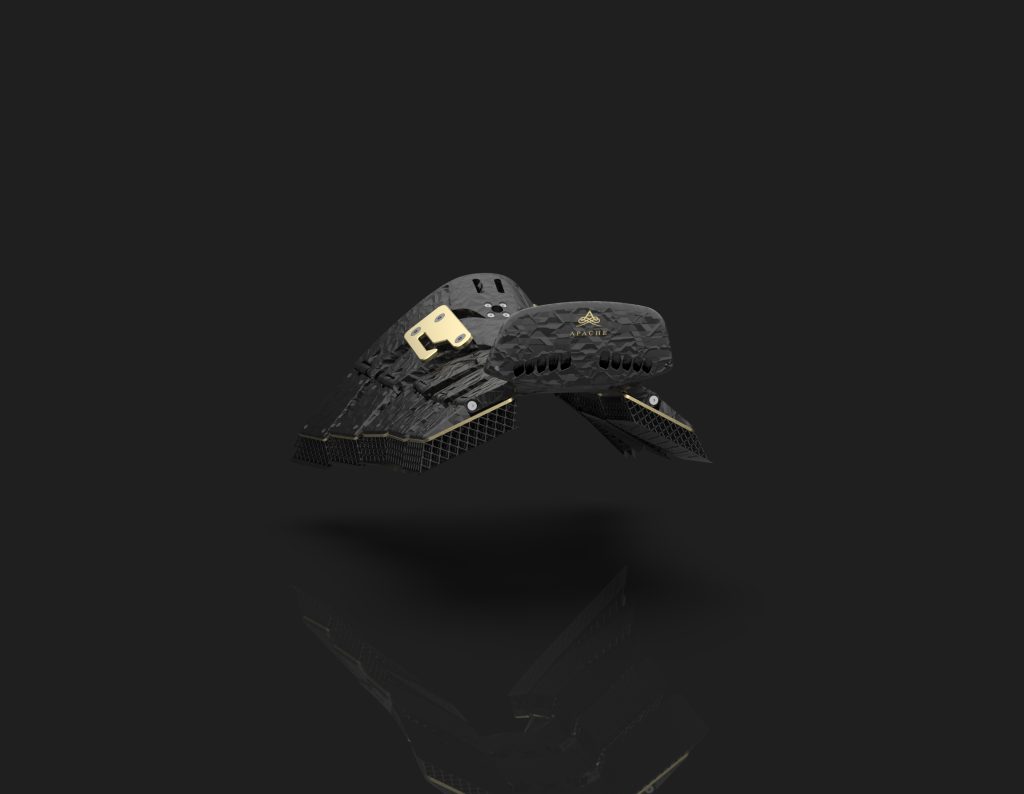
Rethinking the art of the saddle.
A Saddle is more than an interface between horse and rider.
It is a structure placed at the very heart of movement.
For generations, saddle design has evolved through craftsmanship, experience and incremental refinement.
For A P A C H E , it is time to ask a different question:
What if we started again with the horse?
STEP N°01
# START. WITH. THE. HORSE
STEP N°02
# OBSERVE. MEASURE. UNDERSTAND.
Traditional knowledge gives us an extraordinary foundation.
Technology gives us new ways to question it.
A P A C H E brings together observation, digital modelling, advanced measurement and physical prototyping to better understand the complex relationship between horse, saddle and rider.
Scanning.
3D modelling.
Motion analysis.
Digital simulation.
Material testing.
Physical prototypes.
Each tool allows us to look at the problem from another perspective.
The objective is not technology for its own sake.
The objective is understanding.
STEP N°03
# SEE. THE. IMPACT.
A saddle shapes more than movement.
It can support the horse.
Or create restriction.
Compensation.
Pain.
Injury.
Understanding the impact of an ill-fitting saddle is part of rethinking the saddle itself.
STEP N°04
# QUESTION. THE. ESTABLISHED.
Why is a saddle shaped the way it is?
Why does its structure begin where it does?
Why do we accept certain constraints?
Why should the geometry of a saddle remain essentially fixed while the horse beneath it moves, flexes and changes?
These questions are not criticisms of tradition.
They are an invitation to go further.
For A P A C H E, innovation begins when an established solution becomes a question.
STEP N°05
# DESIGN FROM
FIRST PRINCIPLES
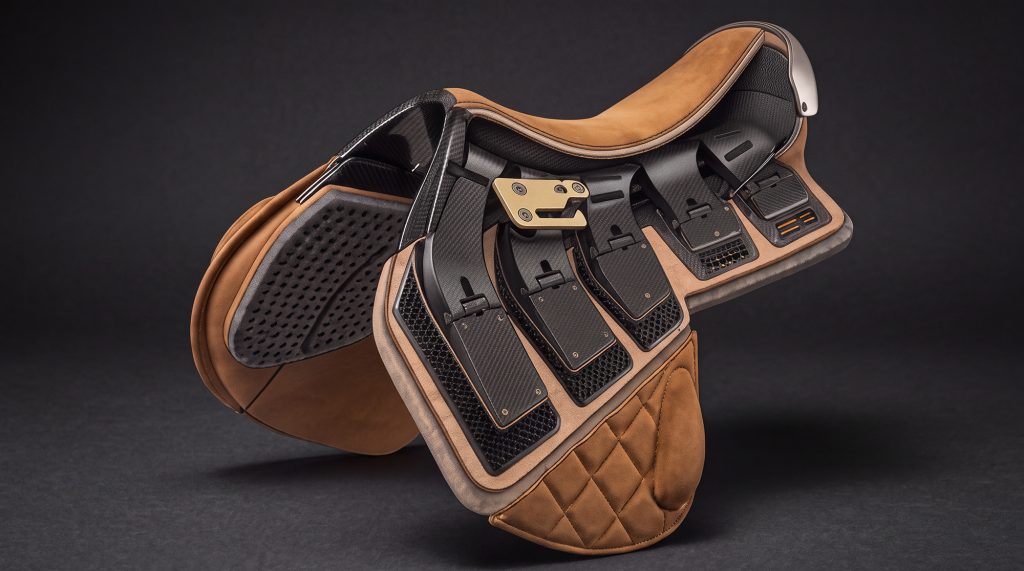
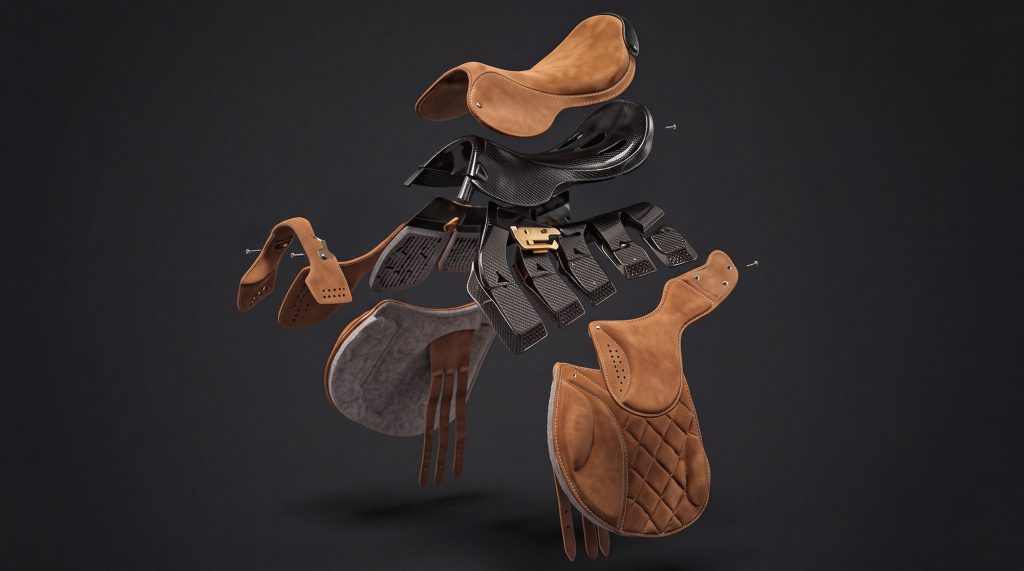
Rather than starting with an existing saddle and improving its details, we explore the architecture of the saddle itself.
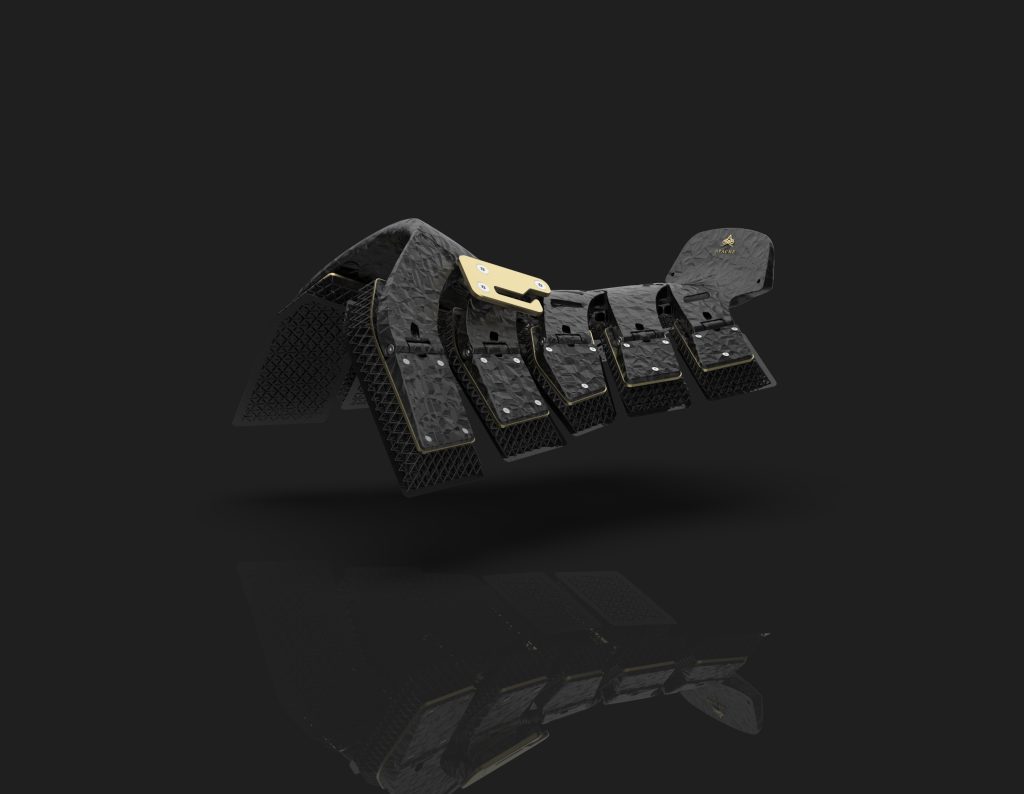
Its structure.
Its interfaces.
Its load distribution.
Its flexibility.
Its materials.
Its relationship with the horse.
Its relationship with the rider.
Every element becomes open to reconsideration.
The goal is not to make a different-looking saddle.
The goal is to rethink what a saddle could be.
Rather than starting with an existing saddle and improving its details, we explore the architecture of the saddle itself.
STEP N°06
# MATERIALS
Materials are not decoration.
They are part of the architecture.
We explore the dialogue between noble traditional materials and advanced technical materials.
Leather.
Textiles.
Composites.
Engineered structures.
Technical foams.
Natural materials.
Advanced manufacturing processes.
Each material is considered for what it can contribute:
strength, flexibility, weight, durability, comfort, precision and behaviour.
The finest materials are not necessarily the most sophisticated.
They are the ones that perform exactly where they are needed.
STEP N°07
#PROTOTYPE
Ideas only become meaningful when they meet reality.
That is why APACHE is developed through physical experimentation.
We build.
We test.
We observe.
We question.
We modify.
We build again.
A prototype is not a finished product.
It is a question made physical.
Each prototype allows us to learn something that could not have been understood on a screen alone.
STEP N°08
#A SADDLE IN DEVELOPMENT
A P A C H E is currently in research and development.
The work you see today is part of an ongoing process of exploration, testing and refinement.
Some ideas will remain.
Others will disappear.
Some structures will evolve.
New ones will emerge.
We believe this process should be visible.
Because the future of the saddle should not appear suddenly as a finished object.
It should be understood through the journey that creates it.
THE FUTURE OF THE SADDLE
We are not interested in creating another saddle.
We are interested in exploring whether the saddle can be fundamentally reconsidered.
Starting with the horse.
Informed by data.
Driven by design.
Shaped by materials.
Validated through prototypes.

“Rethinking the art of the saddle…“